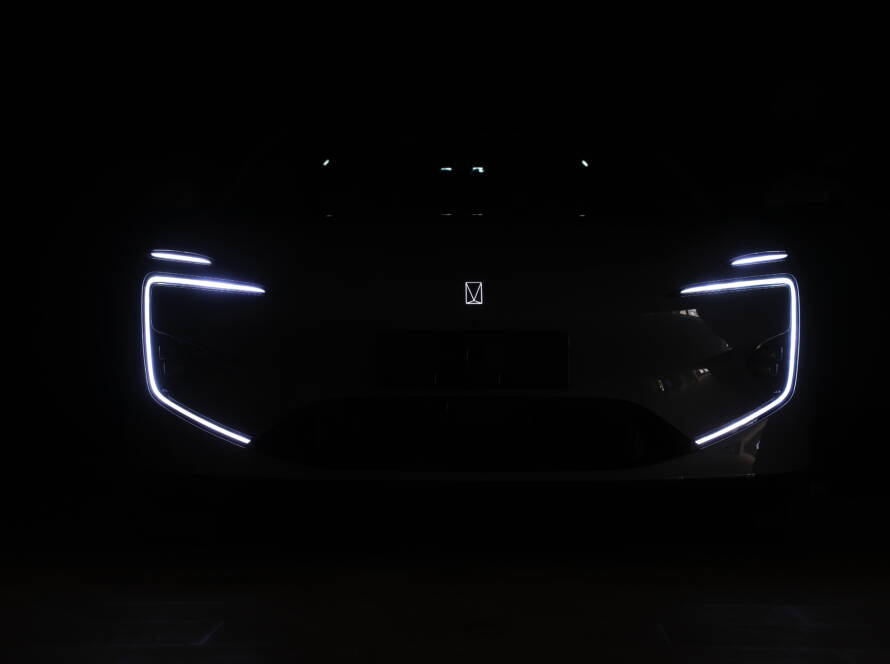
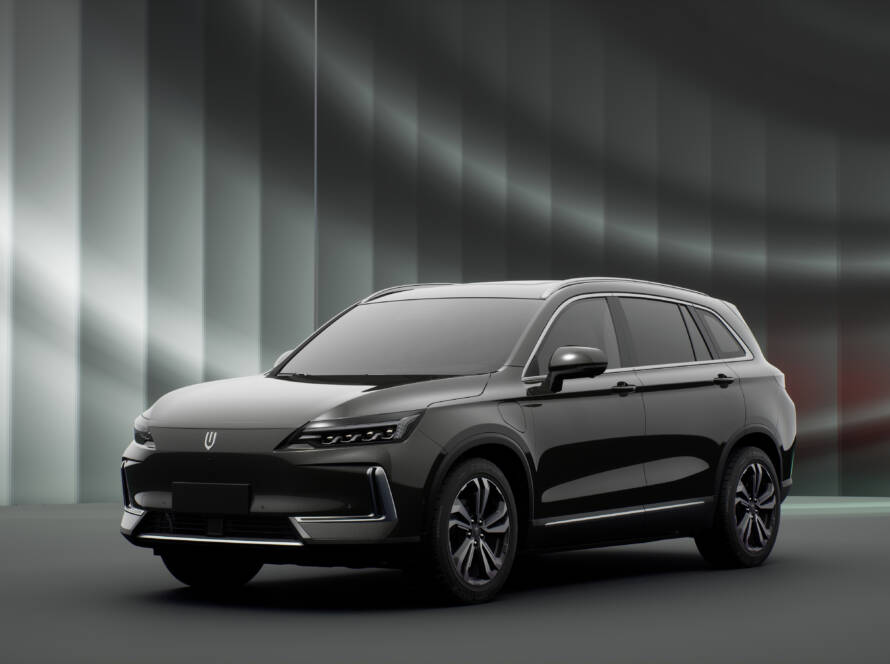
For decades, the rumble of a gasoline engine has been the defining soundtrack of the automotive world. However, a new contender has entered the arena, silently yet powerfully challenging this long-standing reign: the electric vehicle. The debate between electric and gasoline cars is no longer a fringe discussion; it’s a central theme shaping the future of transportation. Let’s delve into the key aspects of this ultimate automotive showdown.
The Environmental Impact:
This is arguably the most significant point of divergence.
- Gasoline: Internal combustion engines release greenhouse gases like carbon dioxide, contributing to climate change and air pollution.
- Electric: EVs produce zero tailpipe emissions, leading to cleaner air in urban areas. Their overall environmental impact depends on the energy source used to generate electricity, with renewable sources offering the greenest solution.
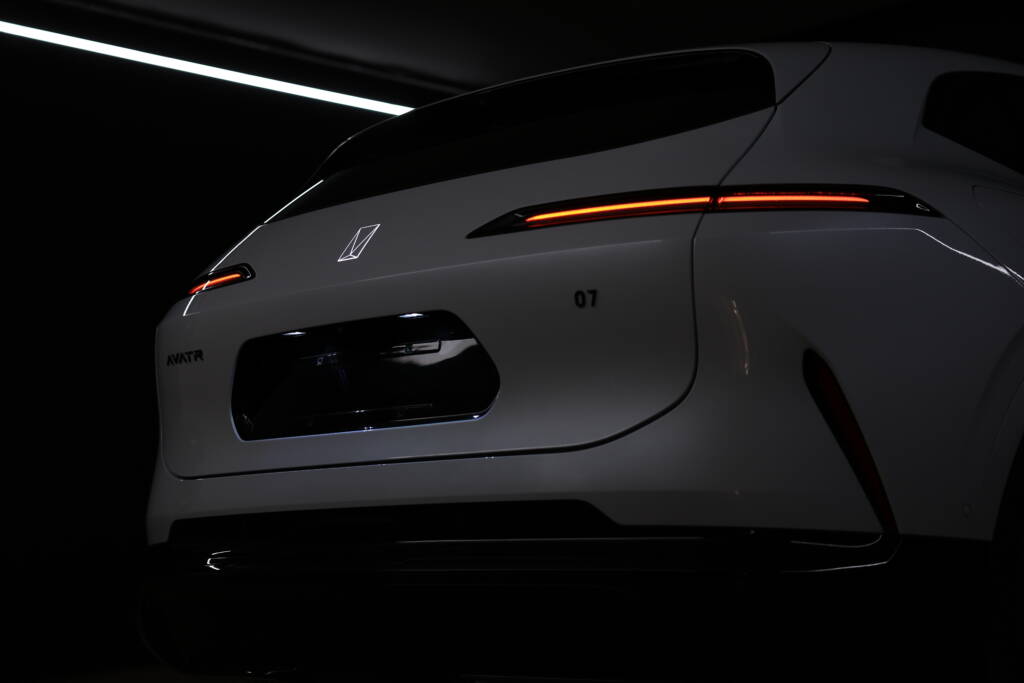
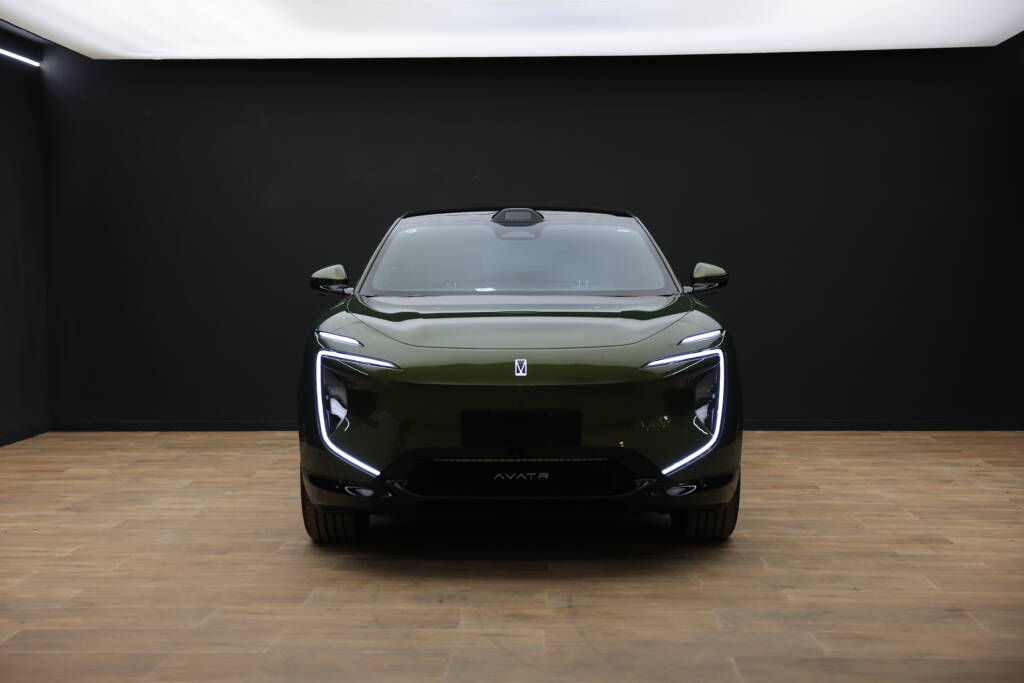
Performance and Driving Experience:
The driving dynamics differ significantly.
- Gasoline: Offers a familiar driving experience with a wide range of engine options, delivering power across a spectrum of speeds. Refueling is quick and the range is generally longer.
- Electric: Provides instant torque, resulting in rapid acceleration and a smooth, quiet ride. Range anxiety has been a concern, but modern EVs are increasingly offering comparable or even superior range to gasoline cars.
Cost of Ownership:
The financial aspect involves several factors.
- Gasoline: Upfront cost can sometimes be lower, but ongoing expenses include fuel, regular oil changes, and other maintenance associated with combustion engines.
- Electric: Often has a higher initial purchase price, but lower running costs due to cheaper electricity compared to gasoline and reduced maintenance needs (no oil changes, fewer moving parts). Government incentives can also offset the initial cost.
While gasoline cars will likely remain a significant part of the automotive landscape for some time, the momentum is clearly shifting towards electric mobility. Advancements in battery technology, expanding charging infrastructure, and growing environmental awareness suggest that electric vehicles will play an increasingly dominant role in the future of personal transportation. The ultimate debate may eventually have a clear winner, driven by innovation and a global push for sustainability.
Piter Bowman
Technological Advancement:
Both technologies are continuously evolving.
- Gasoline: While mature, advancements continue in engine efficiency and alternative fuels.
- Electric: Is a rapidly evolving field with ongoing innovations in battery technology (longer range, faster charging, lower cost), charging infrastructure, and vehicle performance.
The Verdict (For Now):
There isn’t a single “better” option, as the ideal choice depends on individual needs, priorities, and circumstances.

- Choose Gasoline if: You prioritize a lower initial cost, require very long driving ranges without frequent stops, and rely heavily on the existing refueling infrastructure.
- Choose Electric if: You prioritize zero tailpipe emissions, enjoy instant torque and a quiet ride, have access to convenient charging, and are looking at lower long-term running costs.