

As electric vehicles (EVs) gain popularity as a sustainable and eco-friendly alternative to traditional gasoline-powered cars, an important question arises: how do we maintain these advanced machines to ensure they continue to deliver peak performance? While EVs boast a relatively simpler architecture and fewer moving parts compared to their petrol counterparts, they still require regular and specialized maintenance to guarantee safety, efficiency, and longevity. In this comprehensive guide, we’ll delve into the essential aspects of EV maintenance, from routine checks to addressing more complex issues.
Why is Electric Vehicle Maintenance Important?
It might be tempting to think that EVs require minimal upkeep, and this is partly true. They don’t have intricate internal combustion engines that necessitate oil changes, air filters, or spark plugs. However, their advanced electrical systems, high-voltage batteries, and specialized cooling systems demand careful attention. Regular maintenance ensures:
- Safety: Inspecting high-voltage electrical components and safety systems minimizes the risk of accidents.
- Optimal Performance: Maintaining battery and motor efficiency ensures the best driving range and acceleration.
- Extended Vehicle Lifespan: Regular upkeep prevents minor issues from escalating into major and costly breakdowns.
- Preserved Resale Value: A well-maintained EV retains its value better over time.
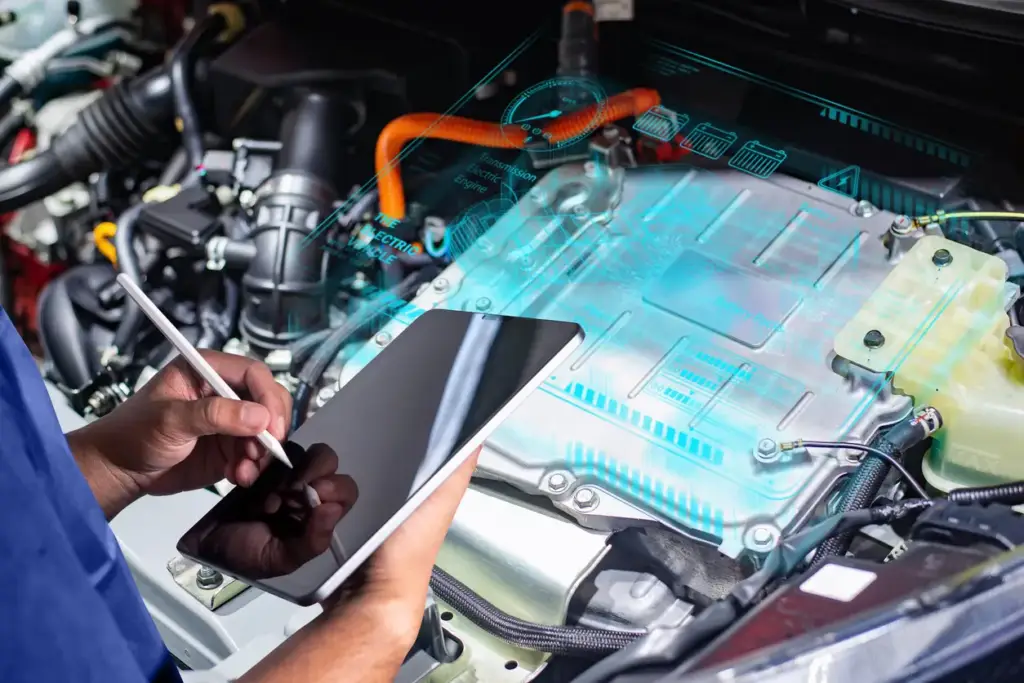
Key Components Requiring Maintenance in Electric Vehicles:
- High-Voltage Battery: This is the heart of the EV. Its maintenance involves periodic checks of its overall health, monitoring its temperature (especially in extreme weather), and ensuring the proper functioning of its cooling system. While most EV batteries are designed to last a long time, their capacity does degrade over time and with use.
- Cooling System: The cooling system in an EV isn’t just for the electric motors and electronics; it plays a vital role in regulating the battery’s temperature, which affects its performance and lifespan. Coolant levels should be checked, and any leaks should be addressed.
- Electric Motors: Electric motors are highly reliable and require significantly less maintenance than internal combustion engines. However, they should be periodically inspected for unusual noises, vibrations, or excessive heat.
- Charging System: This includes the charging port, cables, and onboard charger. These components should be checked for any physical damage, corrosion, or connection issues.
- Braking System: Although EVs utilize regenerative braking, which reduces wear on traditional friction brake pads and discs, the hydraulic braking system is still present and requires periodic inspection of brake fluid levels and the integrity of lines and calipers.
- Tires: Just like any other vehicle, EV tires need regular pressure checks, tread depth inspections, and monitoring for uneven wear. Due to the instant torque provided by electric motors, tires might need replacing sooner with aggressive driving habits.
- Suspension and Steering System: These systems contribute to driving comfort and vehicle handling. They should be periodically inspected for any wear or damage to components.
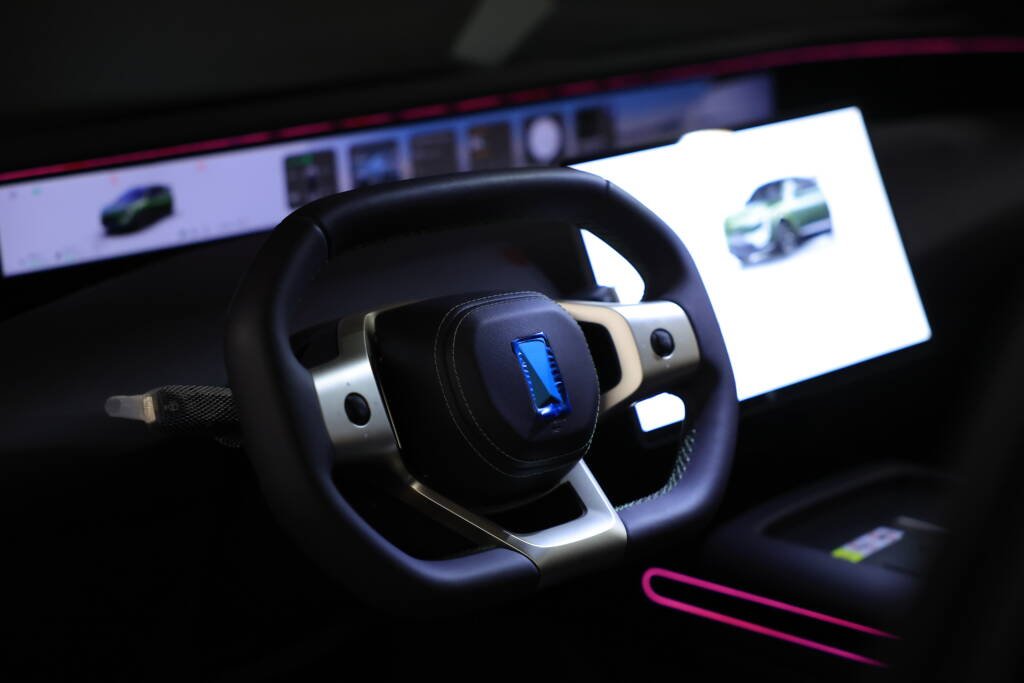
- Cabin Interior and Electronics: While not traditional mechanical parts, the complex electronic systems in an EV (such as touchscreens and driver-assistance systems) may require software updates or diagnostics in case of malfunctions.
- Cabin Air Filter: Often overlooked, cabin air filters are essential for maintaining good air quality inside the vehicle and should be replaced regularly.
Electric Vehicle Maintenance Schedule:
There’s no one-size-fits-all maintenance schedule for EVs, as it varies based on the vehicle model, manufacturer, and driving habits. However, here are some general guidelines:
- Routine Checks (Every few months):
- Tire pressure check.
- Windshield washer fluid level check.
- Lights and signals functionality check.
- Windshield wiper blade condition check.
- Cabin air filter inspection (and cleaning or replacement if needed).
2.Periodic Maintenance (Annually or every 10,000 – 20,000 miles / 15,000 – 30,000 kilometers):
- Brake system inspection (pads, discs, and fluid).
- Suspension and steering system inspection.
- Cooling system inspection (fluid levels and leaks).
- Charging system and cable inspection.
While electric vehicles offer numerous advantages in terms of reduced maintenance compared to traditional cars, they still require dedicated attention and care from trained professionals. By understanding the key components that need upkeep and following a regular maintenance schedule, you can ensure your EV continues to operate efficiently, safely, and reliably for many years to come, allowing you to enjoy a sustainable and enjoyable driving experience.