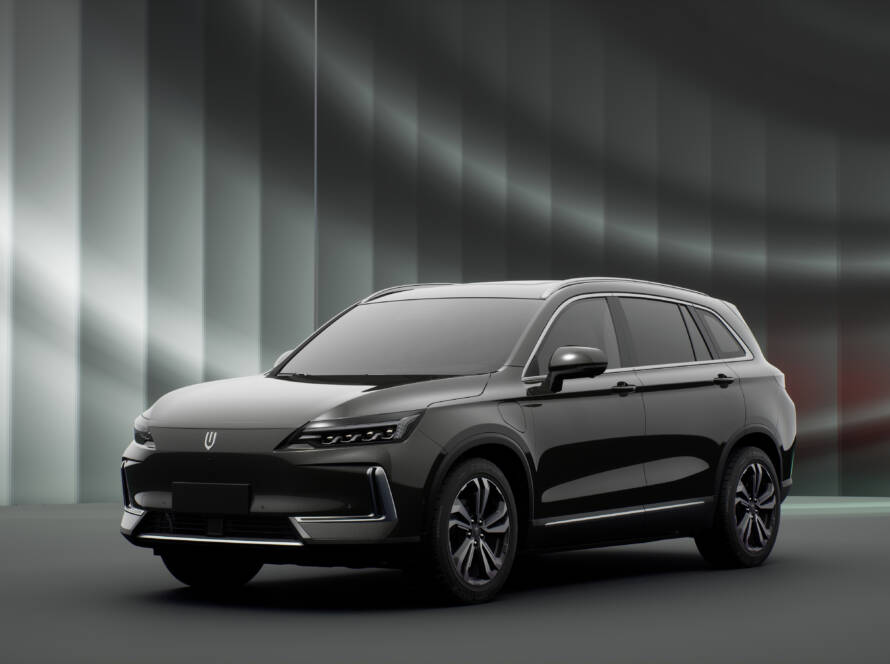
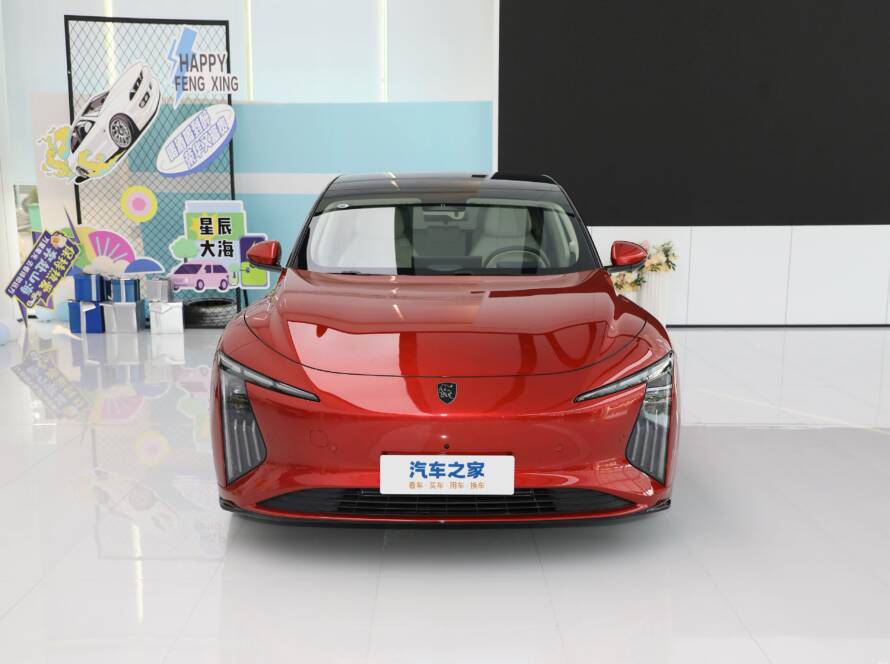
QThe title “The evolution of car parts: from classic to modern” suggests an exploration of how the components that make up automobiles have changed and advanced over time. This journey would likely compare and contrast the parts found in older, “classic” vehicles with those used in contemporary, “modern” cars.
Potential Areas of Focus in Discussing This Evolution:
- Materials: Classic car parts were often made of heavier materials like steel and cast iron. Modern cars utilize lighter and stronger materials such as aluminum alloys, carbon fiber, and advanced plastics to improve fuel efficiency and performance.
- Technology: Modern car parts are heavily influenced by technological advancements. This includes sophisticated electronics, sensors, computer control units (ECUs), and integrated systems that were absent in classic cars.
- Functionality and Complexity: Many modern car parts perform more complex functions and are integrated into larger systems. For example, the engine control unit (ECU) in a modern car manages numerous engine parameters, whereas classic cars had simpler mechanical controls.
- Safety Features: Modern cars incorporate a wide array of safety features in their parts, such as airbags, anti-lock braking systems (ABS), electronic stability control (ESC), and advanced driver-assistance systems (ADAS), 1 which were either non-existent or rudimentary in classic cars.
- Efficiency and Emissions: Modern car parts are designed with a strong emphasis on fuel efficiency and reduced emissions, leading to innovations in engine design, exhaust systems, and lightweighting. Classic cars generally had less stringent emissions standards.
- Design and Manufacturing: Modern car parts often benefit from advanced design software, precision manufacturing techniques, and modular construction for easier assembly and repair.
- Electric and Hybrid Components: The evolution to modern cars includes the introduction of entirely new categories of parts related to electric and hybrid powertrains, such as batteries, electric motors, power inverters, and charging systems, which were not present in classic cars.
- Connectivity and Infotainment: Modern cars feature parts related to connectivity (e.g., telematics units) and infotainment systems (e.g., touchscreens, integrated audio), which represent a significant departure from the simpler radios found in classic cars.
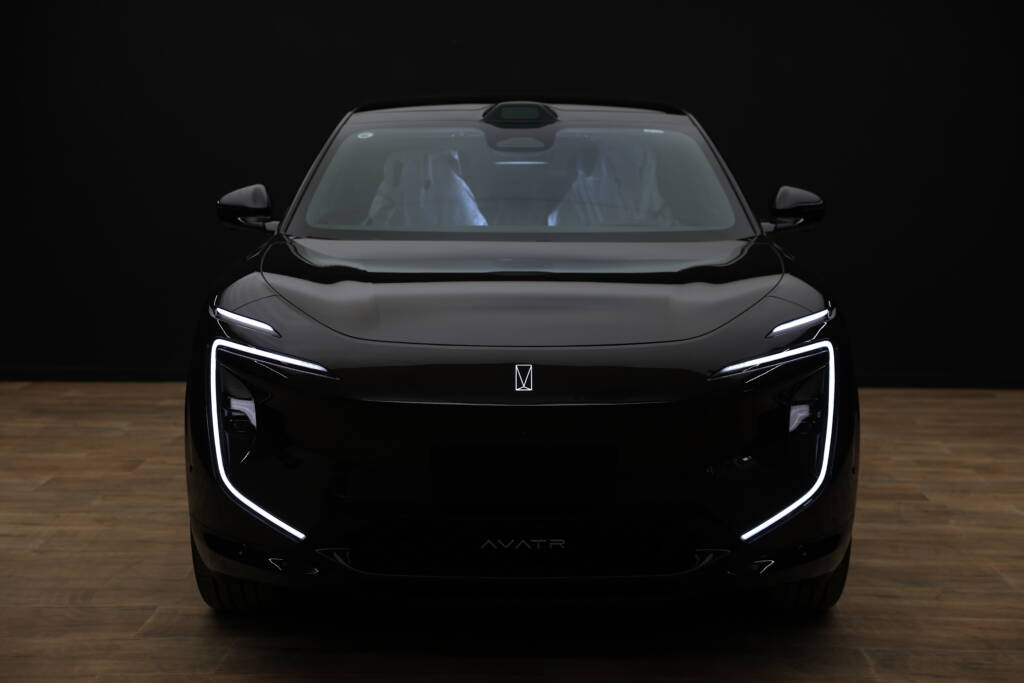

In essence, the evolution of car parts reflects:
- Advancements in engineering and materials science.
- The integration of electronics and software into vehicle systems.
- A growing emphasis on safety, efficiency, and environmental concerns.
- Changing consumer demands for comfort, convenience, and connectivity.

Exploring this evolution provides insight into the ingenuity and progress that has shaped the automotive industry from its early beginnings to the sophisticated vehicles we see on the road today.